

How We Designed Mori

Tap a card to see what Mori does.
Every collector we spoke to had the same problem. The cards were the fun part. Everything around them was not: checking prices across three apps, guessing whether a card was worth grading, scrolling back through months of messages to remember who they traded with.
We started Bindory to give that time back. Our goal is simple: more time enjoying the hobby, less time managing it. Mori is how we get there.
This post covers how we designed Mori and the choices behind it. We've written a separate post on how we're building safety into Mori.
Mori Is an Agent That Can Actually Help
Before we drew a single screen, we wrote one line that every design decision has to pass:
Help collectors enjoy collecting, not manage it.
Most collecting apps are databases. You type cards in, and the app stores them. We wanted the opposite: a collector tells Mori what happened, in whatever way is easiest, and Mori does the filing.
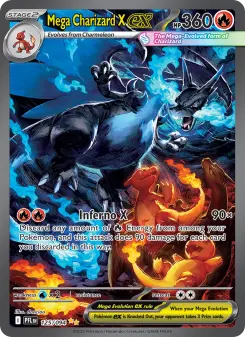
Snap a binder page and Mori identifies each card. Send a photo from the trade table and ask whether the price is fair, and Mori checks recent sales before you hand over cash. Ask whether a card is worth grading and you get a straight answer with the numbers behind it, not a lecture.
Evolving From an App to an Agent
Our early prototypes looked like every other collecting app: tabs for collection, prices, wishlist and settings. Collectors bounced between them and still opened three other apps.
So we collapsed it into one conversation. You ask Mori, and Mori brings the right screen to you: a binder, a price range, a grading report. The tabs are still there when you want to browse, but you never have to know where something lives.
We also gave Mori a face. Collecting is personal, and talking to a character feels very different from typing into a search box. Mori is curious, warm and a little bit of a nerd about cards, and it is always drawn in full, never as a cropped icon.

Getting Things Done With Mori
Grounded in real data
An agent that guesses prices is worse than no agent. Mori works from a product-owned catalogue of every set and card, built from verified sources, and checks live market data before it gives a number. When it isn't sure, it says so and shows a range instead of a single figure.
Goals and tracking
Collectors think in goals: finish the 151 master set, grade the two best pulls, find three missing cards before the next show. Mori keeps those goals, tracks your progress and comes back with ideas that move them forward.
Asks before it acts
Some things should never happen without you. Mori can prepare a buy or sell order, draft a post or tag a friend, but anything that spends money, shares something or involves another person waits for your approval. We built these as fixed controls in the app, not instructions Mori is asked to follow.
Memories that stay yours
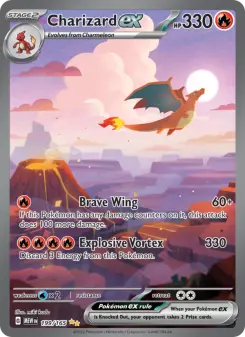
The best part of a collection is the story behind it: who you traded with, where you pulled it, why it matters. Mori remembers those stories so you don't have to. They're private by default, and you choose what, if anything, shows on your profile.
Finding the magic
The hardest design problem wasn't any single feature. It was helping collectors discover what Mori can do. So Mori offers ideas built around your collection, like a checklist for Saturday's card show, and the first conversation walks you through it instead of a tutorial.
Where We Go From Here
Mori is early. We're building it with collectors in Sydney first, and the beta will be rough in places. That's the point: the people who join now shape what Mori learns next.
If you collect and want to help, join the waitlist. We read every answer.